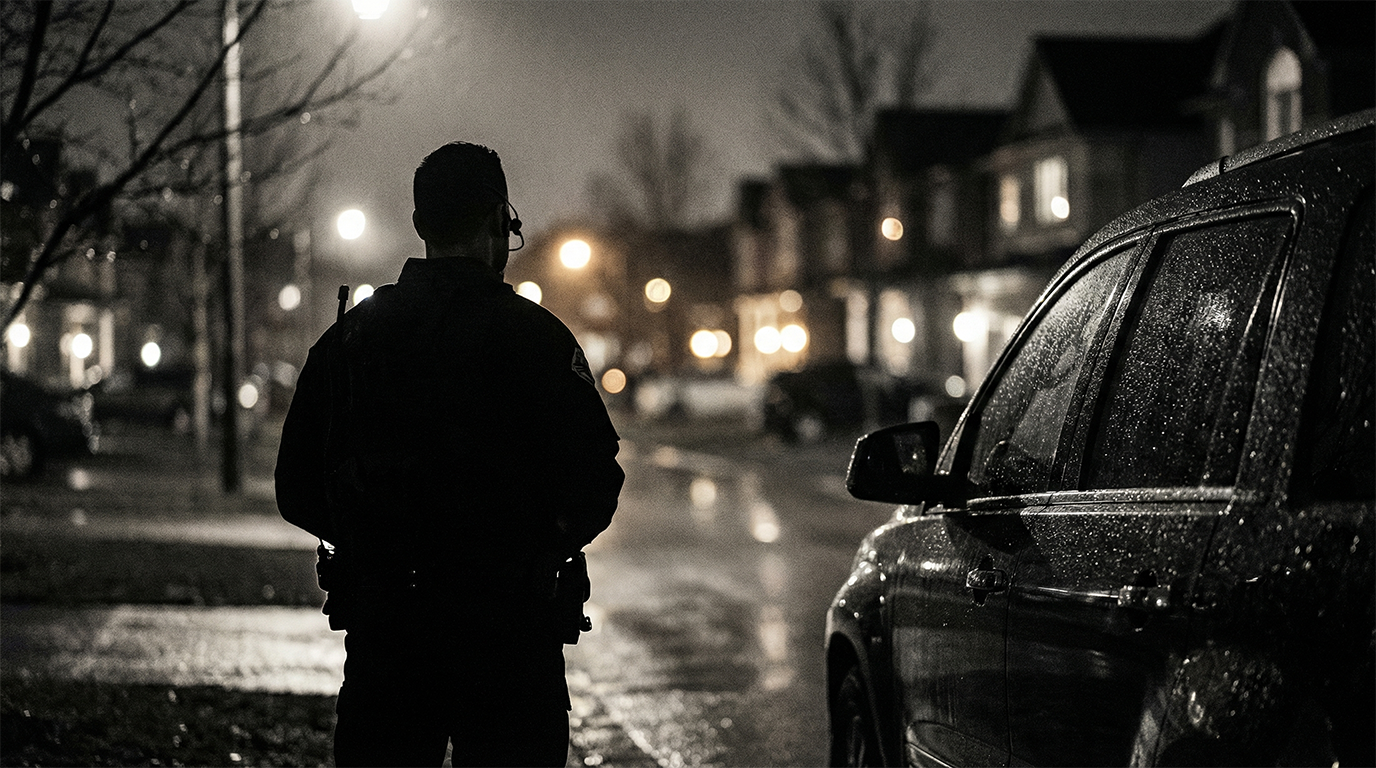
A high-end philosophy exploring how the most effective security adapts seamlessly to client routines and lifestyles rather than forcing clients to adapt to security protocols.
November 17, 2025
The traditional security model imposes itself on clients: follow these procedures, adjust your schedule, accept these inconveniences, and live within security constraints. This approach creates constant friction between security and lifestyle. Clients feel their security is a burden they must endure rather than a service enhancing their lives. Over time, they resist security measures, cut corners, or abandon protection entirely because the lifestyle impact is unacceptable.
Elite security operates on an inverse principle: security should adapt to the client's life, not the other way around. Protection becomes invisible, present and effective but not intrusive, comprehensive but not constraining. This integration model represents the evolution of personal security from imposed system to seamless lifestyle element.
Understanding why traditional security approaches fail requires examining their impacts on daily life.
Lifestyle Disruption: Heavy-handed security disrupts normal living patterns. Leaving your home requires coordinating with security team. Spontaneous decisions must be cleared through security protocols. Social activities become complicated by security presence. Travel requires extensive advance planning. These disruptions accumulate into significant lifestyle impact that clients ultimately resent.
Loss of Privacy: Traditional close protection creates constant observation. Security personnel are always present, watching, listening, knowing details of personal life. For clients who value privacy, this surveillance, even when provided for their own protection, feels intrusive and oppressive.
Social Complications: Visible security presence affects social dynamics. Guests feel uncomfortable entering homes with armed guards. Business meetings become awkward with obvious security personnel present. Social events lose spontaneity when every interaction is observed. Children's friends' parents become concerned about security implications. These social complications can become more burdensome than the security risks being addressed.
Psychological Burden: Constant reminder of security needs creates psychological weight. Living under visible protection forces awareness of threats and risks. This awareness can generate anxiety and stress that reduces quality of life even while providing physical safety.
Compliance Resistance: When security significantly impacts lifestyle, clients begin resisting protocols. They find workarounds, make exceptions, or simply stop complying. This resistance undermines security effectiveness, the most sophisticated security measures provide no protection if clients won't follow them.
Elite security addresses these problems through design principles that prioritize integration and invisibility.
Understand Client Lifestyle First: Rather than implementing standard security protocols and expecting clients to adapt, integrated security begins with comprehensive understanding of how clients actually live. What are their daily routines? What activities do they value most? What aspects of their lifestyle are non-negotiable? Where is flexibility possible?
This understanding informs security design. Instead of asking "what security measures should be implemented?" the question becomes "how can we protect this client while maintaining the lifestyle elements most important to them?"
Design Security Around Routines: Rather than changing client routines to fit security protocols, design security that works within existing patterns. If a client values morning jogs in the neighbourhood, security supports this rather than preventing it. Protection might include advance route checking, discrete follow-at-distance security personnel, and real-time monitoring, but the client maintains their routine.
Invisible When Possible, Visible When Valuable: Some security elements benefit from visibility (deterring criminals, providing reassurance). Others work better invisibly (behavioural monitoring, intelligence gathering). Sophisticated security deploys each appropriately. Visible security provides deterrence and peace of mind. Invisible security operates without lifestyle impact while maintaining comprehensive protection.
Technology Over Personnel When Appropriate: Technology can provide capabilities with less lifestyle intrusion than human security presence. Remote monitoring delivers surveillance without personnel in your home. AI-powered analytics detect threats without human operators watching your every move. Access control systems secure without guards questioning guests.
This isn't about replacing human security professionals, their judgment and response capabilities remain essential. But thoughtful technology integration reduces intrusive human presence while maintaining or enhancing actual protection.
Proactive Rather Than Reactive: Integrated security anticipates needs rather than responding to each situation individually. If a client travels frequently, security develops standing protocols for travel security that activate automatically rather than requiring planning discussions before each trip. If clients host events regularly, template security plans adapt to specific events without requiring extensive consultation each time.
This proactive approach reduces friction by building security into normal processes rather than treating each instance as special circumstance requiring security discussion and arrangement.
The home should be a sanctuary, not a fortress that feels oppressive. Integrated residential security maintains protection while preserving home comfort and privacy.
Discrete Technology: Modern residential security technology can be nearly invisible. Cameras designed to blend with architecture, sensors hidden within standard components, access control that looks like standard door hardware, and equipment rooms that keep technology out of living spaces all contribute to maintaining residential aesthetics while providing comprehensive coverage.
The goal isn't hiding security from residents but ensuring it doesn't dominate visual and psychological environment. You should be able to enjoy your home's design and atmosphere while knowing sophisticated protection is present.
Flexible Personnel Presence: Rather than constant on-site security guards, integrated residential security scales personnel presence to actual needs. During high-risk periods (family away on vacation, threat intelligence indicating elevated risk), physical presence increases. During normal periods, remote monitoring may be sufficient with rapid response capability if needed.
This scaling maintains protection while reducing the sense of living under constant guard. Residents aren't questioned by security every time they leave and return. Their daily movements don't require coordination with security personnel. The home feels like a home rather than a secure facility.
Family-Appropriate Protocols: For families with children, security protocols must accommodate child-appropriate independence and development. Teenagers shouldn't require security approval for every social plan. Children's friends and their parents should feel welcome, not interrogated. Family activities should feel normal, not militarized.
Professional residential security develops protocols that protect children while supporting appropriate developmental independence. Security might include GPS-based tracking that doesn't require check-in calls, pre-approved friend lists that simplify social plans, and discrete observation rather than visible security presence at children's activities.
Business executives face unique security challenges while maintaining professional images and operational effectiveness. Integrated executive protection provides comprehensive protection without creating the impression of paranoia or interfering with business effectiveness.
Low-Profile Protection: For most business contexts, overt close protection creates more problems than it solves. Clients appear out-of-touch or overly concerned about threats. Business partners and clients may feel uncomfortable. The executive's accessibility suffers as security creates barriers to normal business interaction.
Integrated executive protection uses low-profile methods: security personnel in business dress who appear as colleagues or assistants, advance work that secures locations before executive arrival, intelligence-led protection that addresses specific threats rather than treating every situation as high-risk, and technology-enabled monitoring that doesn't require constant physical security presence.
Business Process Integration: Rather than security being separate function that business must work around, integrated protection becomes part of business processes. Travel security coordinates with business travel already being planned. Event security integrates with event planning rather than complicating it. Meeting security supports business objectives rather than creating obstacles to relationship building.
Adaptive Security Levels: Business executives move between environments with vastly different risk levels, from secure corporate offices to international travel in challenging locations. Integrated security scales appropriately: minimal visibility in low-risk environments, enhanced but still discrete protection in moderate-risk settings, and comprehensive close protection only when threat levels genuinely warrant it.
This adaptive approach prevents over-security in safe environments while ensuring adequate protection when risks increase. Executives maintain normal business operations without constant security presence while having confidence that protection scales to actual threats.
Travel often represents the highest-risk security period while being when clients most value freedom and spontaneity. Integrated travel security balances protection with travel experience quality.
Pre-Trip Intelligence and Planning: Rather than burdening clients with security planning, professional operations handle advance work: researching destination security conditions, identifying reliable local resources (hospitals, security contacts, safe hotels), planning secure transportation from airports to lodging, and identifying areas or activities with elevated risk.


